
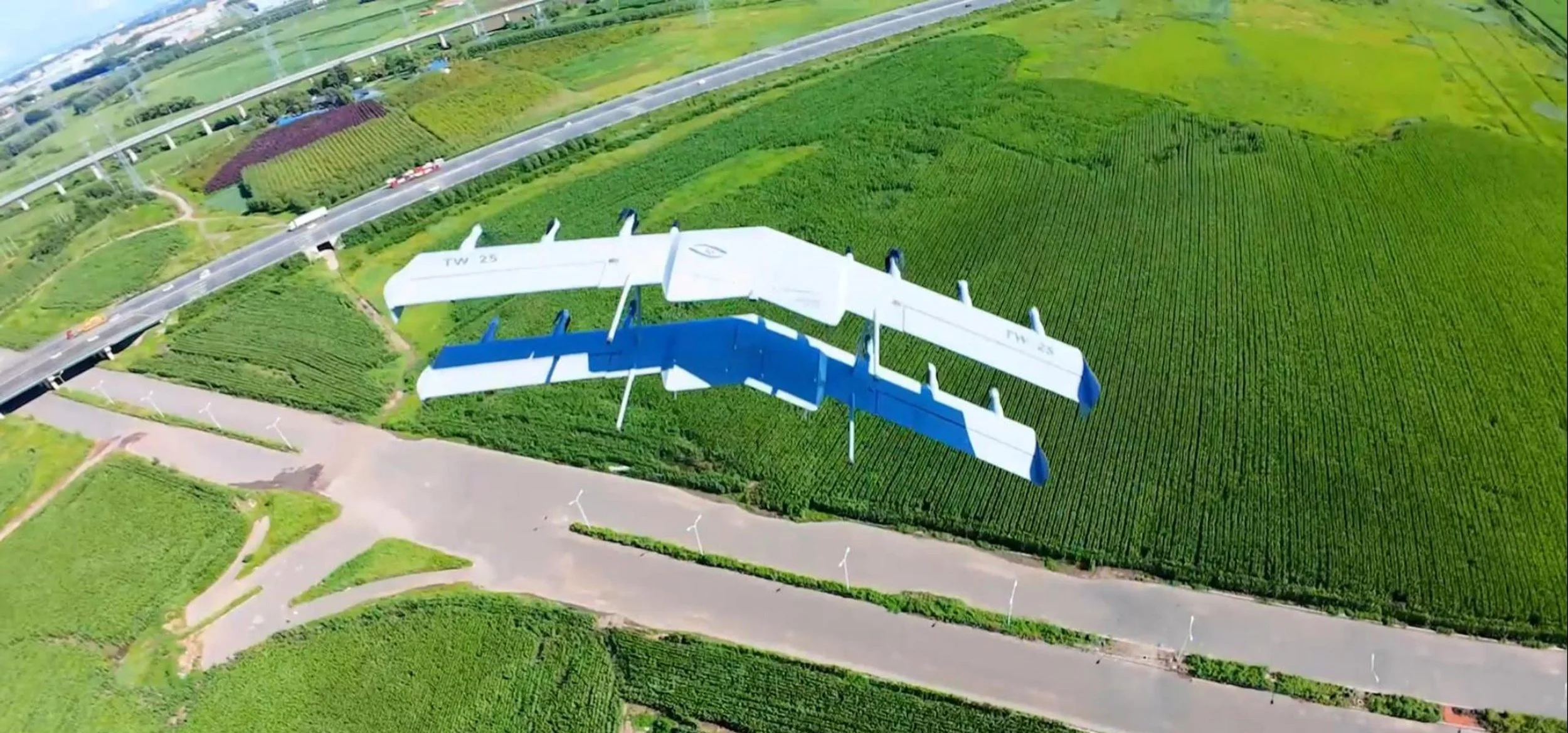
Hybrid VTOL UAV
——Long-endurance VTOL performance for inspection, patrol, emergency response, and remote-area operations.
Reduced radar cross-section (RCS)
Extended endurance
Remote Area Operations
Heavy Payload Missions
Minimal launch/landing area requirement
Enhanced wind tolerance
Extended Patrol and Emergency Support
BOXIANG fuel-powered hybrid VTOL UAVs are designed for missions that demand longer flight time, stronger wind tolerance, and rapid field deployment. They are well suited for long-range patrol, infrastructure inspection, emergency response, and other operations where runway-free launch and recovery are critical.
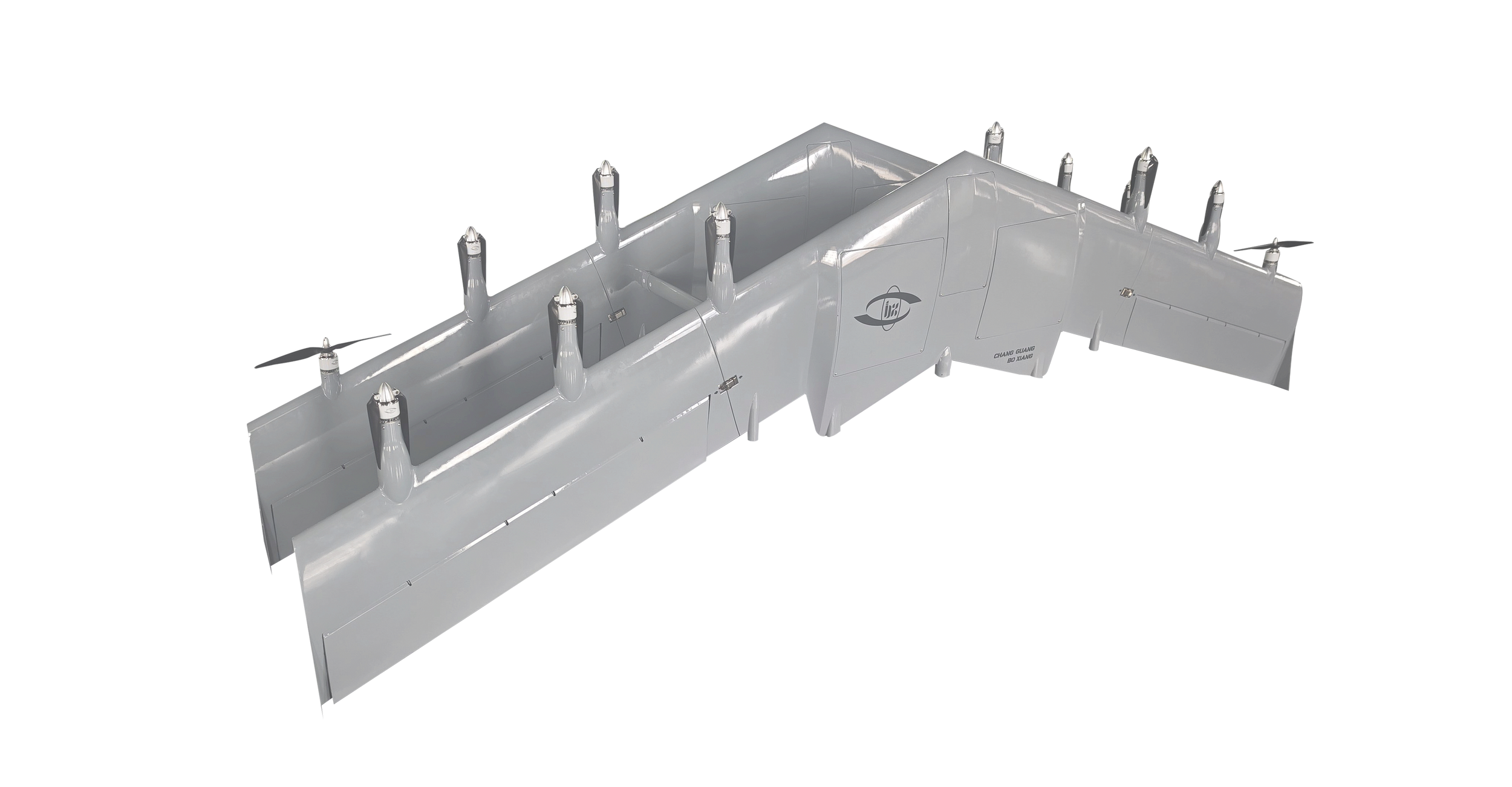
Technical parameters
| Model | TW50 | TW120 | ||
|---|---|---|---|---|
| Wingspan | 3.5 m | 5.0 m | ||
| Takeoff/Landing Footprint | 4 m² (4,000 × 1,000 mm area) | 7.8 m² (6,000 × 1,300 mm area) | ||
| Maximum Takeoff Weight (MTOW) | 50 kg | 120 kg | ||
| Maximum Payload | 10 kg | 30 kg | ||
| Endurance | 8 h (with P3-Q40T payload) | 12 h (with P3-Q40T payload) | ||
| Cruise Speed | 80–100 km/h | |||
| Wind Resistance | Wind Grade 7 — Takeoff and Landing Phase | |||
| Wind Grade 8 — Cruise Phase | ||||
| Operating Temperature | -20℃ to +65℃ | |||
| Service Ceiling | 5500 m | |||
| Control Range | 70 km | 100 km | ||
| Propulsion System | Fuel: Gasoline / Heavy Fuel (Optional) | |||
|
|
|||
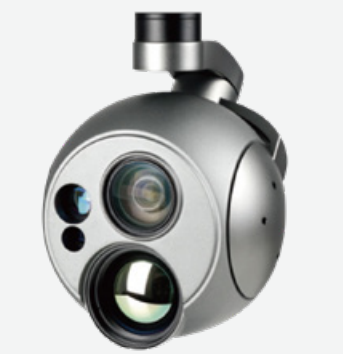
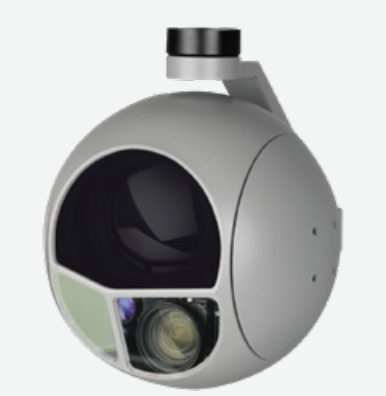
| Payload Compatibility | High-Precision Tri-Sensor Payload | High-Precision IR-Enhanced Tri-Sensor Payload | ||
| 2.13 MP visible-light camera | 4.17 MP visible-light camera | |||
| 40× optical zoom | 30× optical zoom | |||
| 1280 × 1024 thermal imaging | 1280 × 1024 thermal imaging | |||
| 50 mm focal length | 15–100 mm focal length | |||
| Laser rangefinder: 50–5,000 m | Laser rangefinder: 50–10,000 m | |||
| AI auto detection, tracking & geolocation | AI auto detection, tracking & geolocation | |||
Selected Applications
Applications
Continuous border and coastline patrol
High-precision 3D mapping
Precision battle damage assessment (BDA)
Fortification / structure damage-change analysis
BVLOS communications relay for mountainous and hilly terrain
Emergency command and multi-agency coordinated operations networking
Advantages
High-precision positioning and target lock-on system
Rapid deployment with autonomous takeoff and route execution
Wide-area scanning with detailed inspection of priority zones
AI-based detection and automatic marking of suspicious targets
Real-time video downlink from the mission area
Fast generation of photorealistic 3D models (digital twins)
Self-organizing relay mesh link (up to 100 km)
Relay UAV can establish an airborne communications relay node
Automatic networking with ground nodes and mission aircraft
Voice, video, and data relay for dispersed units